The Athlete is the Athlete

You know… the more I get into coaching,
the more I realize this simple truth:
You’ve got to coach the athlete, not the spreadsheet.
Because trying to take some fixed principle or a pre-made plan and force it onto a real person… it just doesn’t work.
Never has. Never will.
People aren’t templates. TThey’re messy, layered, beautifully complicated humans who show up each day with their own blend of stress, sleep, emotions, motivation, and whatever life just decided to throw at them. And honestly, that’s what makes coaching both challenging and kind of amazing.
Sure, the numbers help. I’m not pretending they don’t. Metrics give us direction patterns, hints, little signals along the way. But they can’t feel that heaviness in someone’s legs after a draining week at work. They don’t hear the hesitation in an athlete’s voice when they’re trying to pretend everything’s fine. And they definitely don’t catch the spark in someone’s eyes when they’re actually ready for a breakthrough session.
Only you can see that stuff. Coaching requires real conversation, not just data interpretation.
A training plan? That’s just a starting point. It’s the map. But coaching is knowing when you need to level up, when you need to take a detour, when you need to slow down, or honestly, when you need to turn around and call it for the day.
It’s noticing how someone moves.
How they talk about the workout.
How stressed they’ve been outside of training.
And then thinking, “Alright, what do they really need today?”
Sometimes it’s a hard session.
Sometimes it’s a walk.
Sometimes it’s a pep talk and a rest day.
And sometimes it’s a quiet “Hey, I’ve been there too… let’s shift things a bit.”
That’s coaching.
The spreadsheet isn’t the athlete.
The athlete is the athlete.
And when you build the training around the person instead of trying to cram the person into the training, everything changes. They get healthier. More confident. More consistent. And yeah… they get faster and stronger too.
Because performance doesn’t come from the perfect graph or CTL curve. It comes from the relationship. The trust. The tiny adjustments that honor the whole human, not just the data point.
That’s the good stuff. The real stuff. The stuff you can’t capture in cells and columns.
And when you get that right… the numbers follow. Every time.
HEY THERE, THANKS FOR READING!
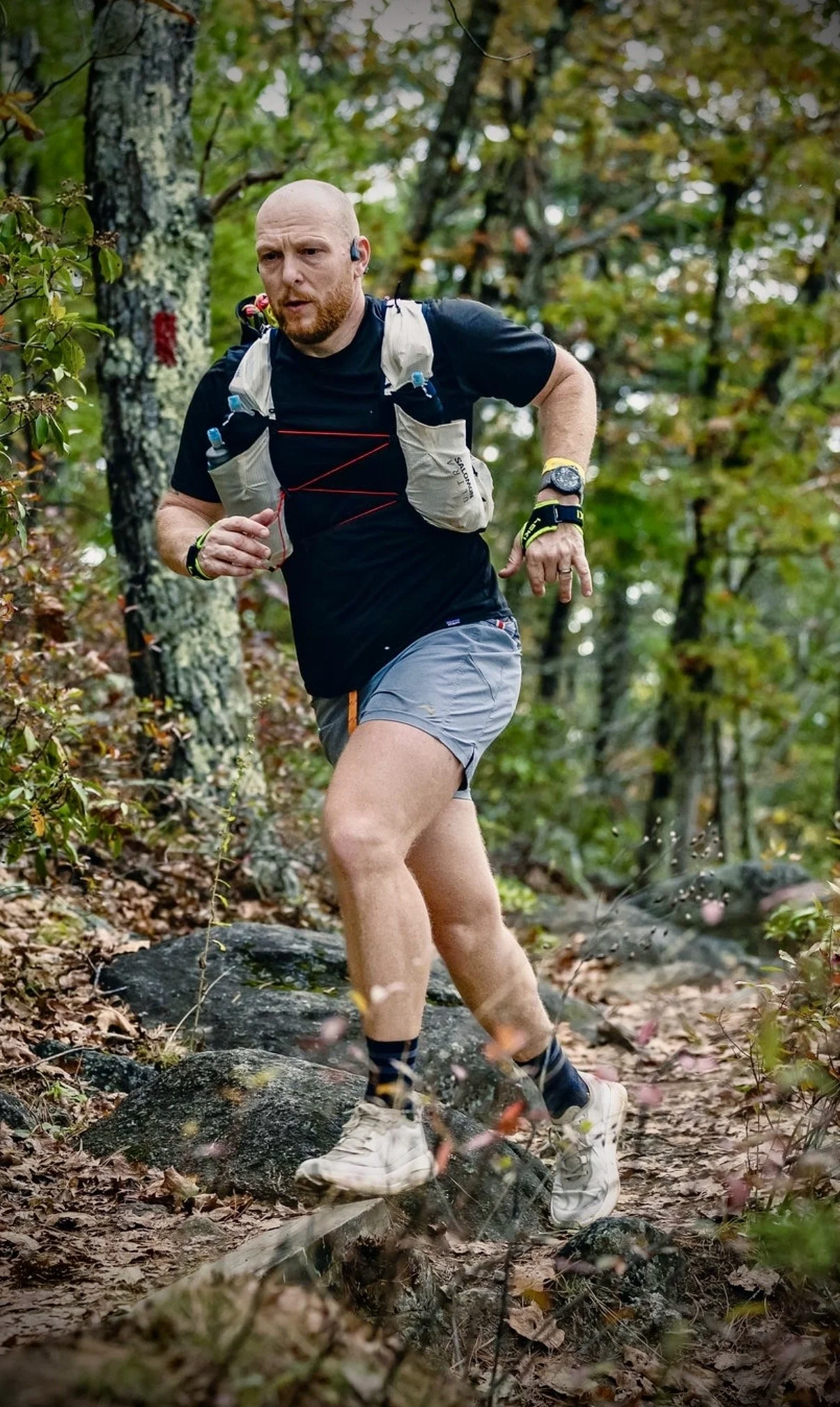
Ryan has extensive experience in endurance training, specializing in ultramarathons and functional strength. As a passionate ultrarunner himself, Ryan blends his coaching with his personal experience to offer practical advice and support for athletes.
Got a question or just want to chat? Reach out anytime! Let’s talk about your running goals, challenges, or anything else on your mind.
I’m here to help you succeed! 💪🏃♂️🦍